
Conestoga’s Pet Grooming program is supporting local shelters and animal organizations by providing free grooming services for cats and dogs. The services provide students with practical experience and are a crucial part of many pets’ adoption and training journeys.
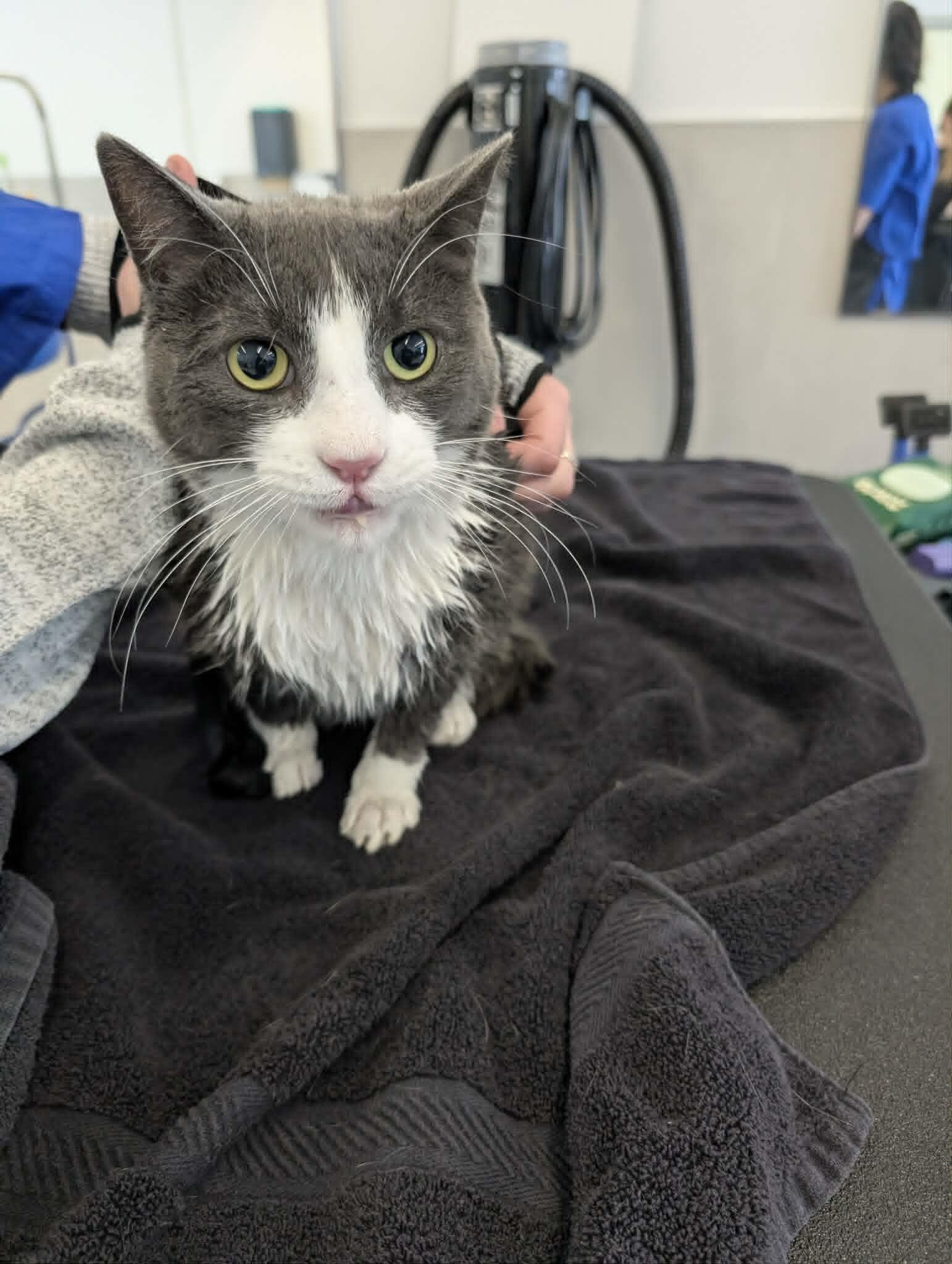
The Pet Grooming program is supporting local shelters and animal organizations by providing free grooming services for cats and dogs.
Cats and dogs from the Arthur Animal Rescue, the Guelph Humane Society, Rags to Riches Cat Rescue, Pound Dog Rescue as well as dog guides in training from the Lions Foundation of Canada Dog Guides have been clients of the Conestoga Grooming Clinic.
As part of the intake, students and instructors first conduct a behavioural assessment to ensure the animal is safe to handle. Students have to look for signs of anxiety, aggression and reactivity. Afterwards, they begin introducing animals to the space and tools used during the process. “We have specific pheromone diffusers and sprays that help reduce anxiety, and we use treats to reward the pets. We do whatever it takes to create a positive, low-stress, fear-free environment,” said Danielle Prestwich, Pet Grooming instructor.
Students also need to be aware of medical and breed-specific needs, such as skin sensitivities and curly or long coats that require specialized products and care. “We empower our students to listen to what the animals are telling them - follow their reactions and adjust,” said Prestwich.
The clinic ensures the environment is optimized depending on whether the clients that day are dogs or cats. “With dogs, our students work independently once they’re advanced enough, but for cats, we always have multiple students per pet to hold and distract them,” said Nicole Greer, Technologist, Animal Care. They also avoid running water when grooming cats, instead using wash basins prepared beforehand. To reduce stress for felines even further, no more than four cats are handled per day, compared to up to twenty dogs. “There is a very different energy between those days.”
Aside from appearances, grooming can help identify illnesses, as groomers get a close look at a pet’s physical condition and can notice anything out of the ordinary, such as lumps and crusts.
Taking shelter or service animals to the groomer can also play a key role in socializing them, an essential part of preparing animals for adoption. For dog guides, grooming provides crucial insights into their socialization and training, feedback that Pet Grooming can pass on to their fosters. For shelter animals, it can make all the difference in finding a home. “We don’t know every pet’s background. They might have been abused; they might not be used to people. Being at the groomer’s is a meaningful part of their training,” explained Greer. “It can heighten their chances of being rehomed successfully.”
The pet grooming lab is also open to the Conestoga community. The program is currently looking for dogs with a variety of coats to practice breed-specific grooming. Services cost $10 for a bath and blow dry, and $20 for clipping and styling. Those interested can fill out an intake form.
Conestoga's one-year Pet Grooming Ontario College Certificate program is the perfect starting point for those who dream of working with pets every day. This hands-on program teaches the grooming techniques, animal care skills and business know-how needed to become a professional pet groomer or even start a grooming business. Other animal care programs offered by the School of Community Services include the two-year Veterinary Technician diploma and the one-year Veterinary Assistant certificate.